Camera Shots
When it came to filming, something that clearly needed to be deeply considered were the type of shots we were going to use. We didn't want to merely turn up the day- of our second attempt- without some type of idea formed in our minds of how we wanted our film to look. Camera shots are the entirety of the film, obviously, mise en scene, editing etc, came after and so it was vitally important for us to get this right and in order to do so, we needed to research.
Key camera shots
Aerial Shot: An exterior shot filmed from the air. This is often used to establish a scene/setting. Without an access to a drone or anything too high-tech, throwing our GoPro into the air probably wasn't going to cut it. Instead in order to establish the setting we used an establishing shot.
Close up: A shot that has only the face in full frame. This often connotes immense emotion, drama, or terror.
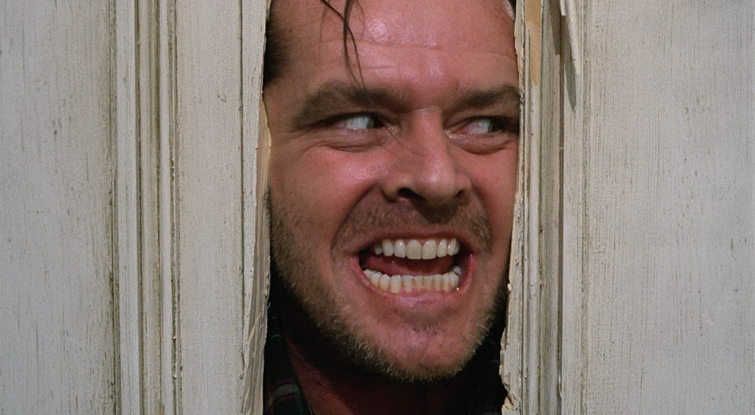
Medium shot: The shot that utilises the most common framing in movies, shows less than a long shot, more than a close-up.
Long shot: AKA a wide shot. Shows the character or object from head to toe.
Dolly zoom: A shot that sees the camera track forward toward a subject while simultaneously zooming out creating a woozy, vertiginous effect. Our equipment'expertise was a tad out of the line for this to take place in our film.
Handheld shot: A shot in which the camera operator holds the camera during motion to create a jerky, immediate feel. Used in such famous horrors as Paranormal Activity and The Blair Witch Project.
Low Angle and High Angle: A shot looking up/down at a character or subject often making them look bigger/smaller in the frame.
Over the Shoulder: A shot where the camera is positioned behind one subject's shoulder, usually during a conversation. With a distinct lack of dialogue- and only one grown adult- in our film this was unlikely to take place.

Pan: Where a shot moves continuously from right to left.
POV: a shot taken from the perspective of a character. Creates a personified feeling to the film by placing us in the characters shoes.
Tilt: A shot where the camera moves continuously up to down or down to up.
Top Shot/ Birds eye view: a shot taken from above, looking down on the action.
Tracking shot: A shot that follows a subject in its movements.
Whip pan: A fast pan/movement that blurs the image. i.e. most shots in 'Hot Fuzz.'
Zoom: A shot that allows the cinematographer to change the distance between camera and object without physically moving the camera by changing the focal length.
We tried to incorporate most of these shots in a seamless and meaningful way. We didn't want to just throw in these shots for the sake of it- we wanted to make a good film that, while remaining appreciative to a shot-loving audience, would still make for an interesting story line and not feel like multiple shots put together.
Key camera shots
Aerial Shot: An exterior shot filmed from the air. This is often used to establish a scene/setting. Without an access to a drone or anything too high-tech, throwing our GoPro into the air probably wasn't going to cut it. Instead in order to establish the setting we used an establishing shot.
Close up: A shot that has only the face in full frame. This often connotes immense emotion, drama, or terror.
Medium shot: The shot that utilises the most common framing in movies, shows less than a long shot, more than a close-up.
Long shot: AKA a wide shot. Shows the character or object from head to toe.
Dolly zoom: A shot that sees the camera track forward toward a subject while simultaneously zooming out creating a woozy, vertiginous effect. Our equipment'expertise was a tad out of the line for this to take place in our film.
Handheld shot: A shot in which the camera operator holds the camera during motion to create a jerky, immediate feel. Used in such famous horrors as Paranormal Activity and The Blair Witch Project.
Low Angle and High Angle: A shot looking up/down at a character or subject often making them look bigger/smaller in the frame.
Over the Shoulder: A shot where the camera is positioned behind one subject's shoulder, usually during a conversation. With a distinct lack of dialogue- and only one grown adult- in our film this was unlikely to take place.
Pan: Where a shot moves continuously from right to left.
POV: a shot taken from the perspective of a character. Creates a personified feeling to the film by placing us in the characters shoes.
Tilt: A shot where the camera moves continuously up to down or down to up.
Top Shot/ Birds eye view: a shot taken from above, looking down on the action.
Tracking shot: A shot that follows a subject in its movements.
Whip pan: A fast pan/movement that blurs the image. i.e. most shots in 'Hot Fuzz.'
Zoom: A shot that allows the cinematographer to change the distance between camera and object without physically moving the camera by changing the focal length.
We tried to incorporate most of these shots in a seamless and meaningful way. We didn't want to just throw in these shots for the sake of it- we wanted to make a good film that, while remaining appreciative to a shot-loving audience, would still make for an interesting story line and not feel like multiple shots put together.

Comments
Post a Comment